
أ mini nature cross stitch pattern is one of the most inviting ways to learn counted needlework: instead of covering an entire landscape, you build one tiny flower, leaf, insect or weather symbol at a time. A small piece is easier to carry, less expensive to finish, and full of opportunities for cards, clothing accents and thoughtful little gifts.
The inspiration for this guide is DMC’s Mini Nature Beginner Cross Stitch Pattern, reference PAT2152. DMC’s official page provides the Pattern Only option free, with an optional separate thread-buying choice. It describes mini nature motifs with flowers, insects and weather elements designed to decorate clothing or accessories. This article adds independent planning, fabric calculations, beginner instructions and creative finishing ideas; the DMC chart itself must be obtained from DMC and isn’t reproduced here.
If you’re looking for a more extensive floral PDF collection, you can also browse our XStitchPattern Etsy shop or visit the Mini Nature WooCommerce inspiration page. Its Browse Patterns on Etsy button opens our own storefront, not a checkout for DMC PAT2152. This distinction matters because the reference pattern is available free from its original creator.
What is DMC Mini Nature PAT2152?
DMC presents Mini Nature as a beginner cross stitch pattern, listed under SKU PAT2152. The official listing offers a free Pattern Only selection, while adding threads produces a separate priced supplies option. It isn’t described as a physical kit included with the free choice. You will need your own fabric, suitable needle and thread unless you choose to purchase supplies.
| Official detail | Confirmed from DMC | What to check when downloading |
|---|---|---|
| Product | Mini Nature Beginner Cross Stitch Pattern | Correct SKU: PAT2152 |
| Price option | Pattern Only: free | Select the free option, not optional threads |
| Theme | Flowers, insects and weather/nature icons | Use the actual chart for symbol positions |
| Use case | Personalise clothing and accessories | Test fabric, washability and backing |
| Stitch counts | Not specified in the product description | Read each motif’s real width and height from the downloaded chart |
| Floss numbers/quantities | Not publicly specified in the description | Follow the supplied legend; do not guess DMC codes |
| File details | Download instructions appear through the DMC product flow | Check the provided file format and print instructions |
The official illustration shows a playful collection of little natural shapes. You can see weather-themed icons, greenery, small flowers and garden visitors. A preview image helps you choose a subject, but it does not substitute for a counted chart: the real download is where you should check the grid, backstitch, symbols and floss references. A set of pictures in a preview is not proof that every motif has the same dimensions or stitching complexity.
Which tiny nature motif should you stitch first?
Choose according to the kind of counting you enjoy. In the preview, some shapes appear as connected blocks while others have thinner details and tiny disconnected features. The following suggestions are an editorial reading of the official preview, not a reproduction or technical transcription of the individual charts.
| Nature theme | Good reason to choose it | Watch for |
|---|---|---|
| Sun and weather icons | Bright, recognizable shapes for a tiny gift | Thin rays, raindrops or separated marks |
| Rainbow | Cheerful color changes in a compact curve | Miscounting the start of each color band |
| Tree and leaf | Green shades and geometric contours | Off-by-one corners and leaf tips |
| Bird | A small animal silhouette | Eye and beak positioning |
| Daisy or small pink flower | A classic beginner-friendly floral subject | Petal spacing and center alignment |
| Bee and ladybug | Fun garden character for a card | Small legs, antennae or spots |
| Dragonfly | Airy wings and symmetry practice | Fine wing outlines or sparse details |
| Mushroom and snail | Whimsical woodland miniatures | Contrasting shells, caps and body edges |
| Tulip | Simple spring accent | Reading the shape of the petals and stem |
If you’re nervous about your first counted project, begin with a motif whose large shapes are easy to locate on the actual symbol chart. The exact easiest design depends on how the PDF is charted. A bee may look simple on the illustrated page yet have separated stitches that require more careful counting than a solid leaf.
How to get the free Mini Nature cross stitch pattern from DMC
- Open the official DMC Mini Nature PAT2152 product page. Make sure the name and SKU match rather than downloading an unrelated “Mini Nature” item.
- بحث Pattern Only, the selection DMC labels Free. Do not select “Add Thread” unless you actually want the optional supplies purchase.
- Follow DMC’s current on-screen download or checkout instructions. Availability and account steps can vary by market and may change; don’t assume every regional storefront uses the same interface.
- Save the provided pattern file unchanged. If you plan to mark off rows, make a second working copy for notes and progress.
- Open the legend and select just one motif for your first project. Record its outermost charted rows and columns and the thread codes actually used for that motif.
- Measure the occupied stitch rectangle before cutting Aida. A whole collection page and a single tiny icon are not necessarily the same size.
A free personal download is still someone else’s design. Keep DMC’s file attributed to DMC, follow any usage terms attached to the chart, and link other stitchers to the official product page instead of uploading the PDF to your own blog or reselling it.
Mini nature cross stitch size: the formula before the fabric
With counted cross stitch, design width in stitches ÷ fabric count = stitched width in inches. Do the same for height. There are no verified published stitch dimensions for individual PAT2152 motifs in the product description, so the examples below are deliberately hypothetical practice sizes, not specifications for any DMC design.
| Example grid only | 14-count Aida | 16-count Aida | 18-count Aida |
|---|---|---|---|
| 15 × 15 stitches | 1.07 × 1.07 in | 0.94 × 0.94 in | 0.83 × 0.83 in |
| 20 × 25 stitches | 1.43 × 1.79 in | 1.25 × 1.56 in | 1.11 × 1.39 in |
| 30 × 30 stitches | 2.14 × 2.14 in | 1.88 × 1.88 in | 1.67 × 1.67 in |
| 40 × 35 stitches | 2.86 × 2.50 in | 2.50 × 2.19 in | 2.22 × 1.94 in |
These measurements represent the stitch rectangle only. For a conventional framed piece, an example fabric allowance is 2–3 inches around each side, depending on your mounting and hoop. For a card insert, the margin can be different. If you work an evenweave over two threads, calculate using the actual stitches per inch rather than the raw fabric-thread count. Our Aida size calculator and margin tutorial explains the method in detail.
If you want to put a supposed “one-inch flower” into a one-inch opening, sketch its precise chart footprint at scale. A rectangular motif’s corners can extend beyond a circular hoop whose diameter looks wide enough at first glance. Don’t shrink the printed PDF and expect the stitched project to become physically smaller: only the fabric count and grid dimensions determine that.
Your first mini nature project: an easy stitching workflow
Here’s a beginner routine you can use with one legally obtained DMC motif. It adds no invented squares or colors to PAT2152, and it works whether you choose the leaf, daisy, tulip or another tiny icon.
- Identify your chosen symbol. On the downloaded chart, write down the smallest and largest occupied column and row for that individual motif. Include any outlying charted antennae or rays.
- Check the color key. Pull the actual DMC codes named in the pattern. If one thread is unavailable, test substitutes against the fabric rather than choosing by screen colors.
- Select a stable fabric. Fourteen-count Aida is a comfortable place to start for many beginners; 16- and 18-count create smaller results and require closer reading.
- Cut enough cloth. Add the margin needed for the chosen frame, card or patch. Secure the edges against fraying using a method appropriate to the fabric.
- Locate the first grid square. Count from the chart’s center or another unmistakable landmark, not from the image’s apparent edge.
- Work full crosses consistently. Keep the upper leg of each full cross leaning the same direction and avoid pulling so tightly that the Aida puckers.
- Finish small contrasting details. Check any charted specialty or backstitch instructions; don’t invent details based solely on preview art.
- Verify and finish. Count the final outside dimensions, secure threads neatly, handle washing according to the materials, then mount the completed motif.
For example, a ladybug motif may tempt you to stitch the red body first and fill in the legs by eye. Resist that shortcut: if the chart specifies a line or a one-square shift, accuracy is easier when you count the smaller details from known body coordinates. Our backstitch tutorial is useful if—and only if—the chosen design’s instructions actually require outline stitching.
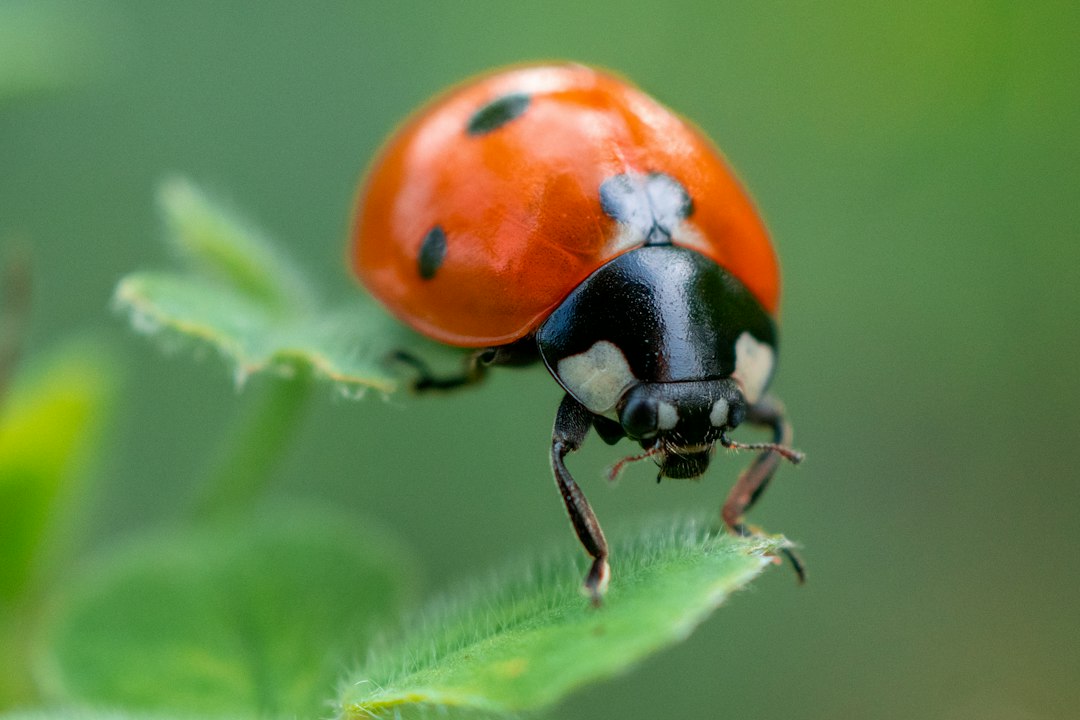
The ladybug above is a licensed photograph of a real insect. It illustrates why a high-contrast red-and-black animal reads well at a tiny scale, but it is not a screenshot of DMC’s motif and should not be traced as a substitute for a valid counted chart.
A beginner’s supply checklist that avoids overbuying
| Supply | Why you need it | What not to assume |
|---|---|---|
| Aida or suitable counted fabric | Gives regular positions for full crosses | All patterns use the same count or coverage |
| Tapestry needle | Blunt tip passes between counted threads | One needle size suits every count |
| DMC or equivalent floss | Follows the designer’s color key | A preview image reveals exact DMC numbers |
| Small hoop or frame | Helps keep fabric tension even | The finished motif always fits a 2-inch hoop |
| Scissors and floss holder | Keeps thread ends manageable | A complete kit is required for the free chart |
| Pattern PDF/legend | Specifies symbols, stitches and colors | The illustration alone gives enough instructions |
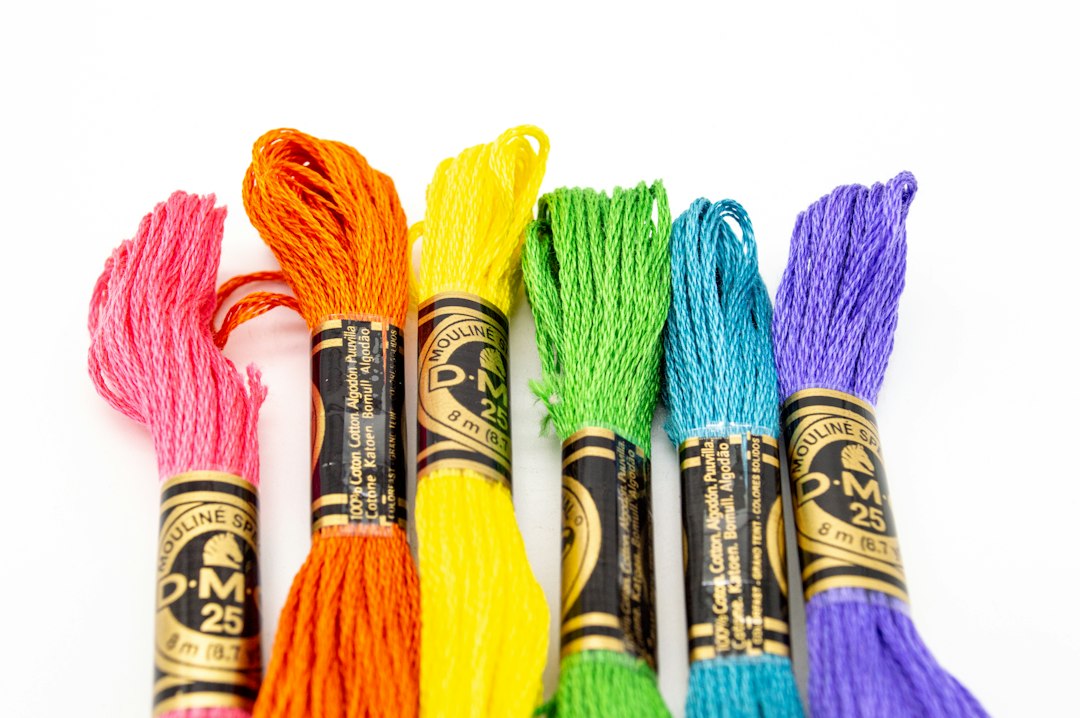
A six-strand embroidery floss skein is typically separated into fewer strands for counted stitches. The right number depends on the fabric count, coverage you prefer and any directions in the chart. On standard 14-count Aida, two strands are a common practice starting point, but do a quick test patch before committing. Use a needle that comfortably handles both your fabric and working strands.
DMC’s optional thread bundle is convenient for anyone starting without a thread stash, but it isn’t required to use the free Pattern Only choice. If you already own some colors, inventory the actual chart key before deciding whether to order additional floss. Optional bundle prices and regional stock can change, so check the official checkout rather than trusting an old article screenshot.
Six creative ways to use tiny nature cross stitch motifs
1. A four-season nature journal sampler
Imagine a small framed piece that reads like a walk through the year: one sunny symbol for summer, a flower for spring, a leaf or mushroom for autumn and a cloud or moon for winter. This is an independent arrangement idea, not a layout included with DMC PAT2152. Pick just four motifs, read each actual bounding box and leave at least a consistent visible gap of blank cloth between them. Make a paper plan before cutting.
2. A bee-and-flower thank-you card
Pair one bee and one flower in a cheerful vertical arrangement, using symbols only from a pattern you may stitch. Make the card opening after you know the outside stitched dimensions. A small insert should have room for both the design and the fabric seam or mounting tape behind the window. The mini cross stitch greeting-card guide covers alignment and card opening mistakes in depth.
3. A little leaf on a fabric bookmark
A narrow leaf shape can brighten a cotton bookmark without making it bulky. Choose a motif whose actual width leaves space for turning and seam allowances. If stitching on Aida first, finish the patch edges carefully before attaching to the bookmark backing. Keep the reverse flat so raised knots don’t snag on book pages.
4. A snail or mushroom for a woodland gift tag
A tiny woodland icon works well on a gift tag if you keep the tag design uncluttered. Think of the finished piece as a small textile insert rather than a ready-made paper sticker. A contrasting matte card background helps a green or brown nature motif remain distinct.
5. A rainbow corner on a canvas tote
Stitch a small motif where it won’t be rubbed constantly by the tote handle or a bag strap. Counted cross stitch on a firm woven fabric may require waste canvas or another suitable grid aid. Test washing, material stability and thread coverage first, and protect the back of the stitches against keys or other rough items inside the bag.
6. A garden visitor mini gallery
Choose three different motifs from the insect or flower selection and place them in small matching frames: a bee, a flower and perhaps a ladybug. Repeat the same fabric background and frame type to give the trio cohesion. The goal is to give each stitched image a little breathing space, not to squeeze all available icons into one frame.
How to plan a multi-motif layout without guessing chart size
A playful preview might tempt you to stitch every icon in neat rows. But each actual DMC motif could have a different width, height or outlying lines. Use a simple worksheet: for each icon, record stitch width, stitch height and the number of empty grid squares you intend to leave. Decide a maximum cell width and height based on the largest chosen design, then center the smaller designs inside equal cells.
For an illustrative four-column arrangement with a maximum motif width of 24 stitches and a horizontal gap of 10 empty stitches, the total width would be 4 × 24 + 3 × 10 = 126 stitches, before any outer border. This is a layout example only—not DMC’s actual grid. On 14-count Aida that 126-stitch planning width would be 9 inches. Work out the equivalent vertical dimensions with the actual motif heights before cutting cloth.
For an organized collection of little flowers or animals, our matching mini patterns on fabric scraps و small designs worth finishing guides explain how to avoid overcrowding and how to choose an object that is genuinely useful when completed.
Color choices: match values as well as hue
A mini nature chart may contain only a handful of colored squares, so contrast matters. Yellow petals beside a white background may need a stronger center or surrounding green shape to remain visible. A dark ladybug spot has to separate from red wings without turning into an over-large blob. Use the official DMC palette first, then test personal substitutions by comparing the actual threads on the fabric.
If you change colors for a personal project, preserve relative light and dark values. A soft lavender flower can work well instead of pink, but if the new center and petals are almost identical in tone, the small shape may disappear. This guide deliberately gives no invented DMC thread numbers or chart-specific material quantities for PAT2152.
Mini patterns on clothes: what to know before starting
Cross stitch on a tote, jacket or sturdy cotton garment can look charming, but these textiles don’t automatically have evenly spaced stitch holes. Some makers use waste canvas or water-soluble grid aids, plus stabilizer if the cloth stretches. Each system has its own removal and care requirements. Test the exact materials on spare fabric before stitching a purchased garment, and use an appropriate attachment method if you prefer to sew on a completed Aida patch.
Watch for abrasion zones such as cuffs, pockets and bag straps, and protect the inside from long carried threads. A small stitched insect on a loose weave may snag more easily than a compact leaf on a firmly woven tote. Laundering should follow both the garment label and floss manufacturer guidance; don’t assume all transfer materials survive or wash out identically.
Related nature cross stitch PDFs in the XStitchPattern shop
If you’d prefer a complete floral PDF from XStitchPattern rather than DMC’s free motifs, we have separate published products with downloadable charts attached. Wildflower Meadow Cross Stitch PDF includes both color and black-and-white chart versions; Wildflower Bouquet Cross Stitch PDF is a distinct botanical design. They’re different from PAT2152, and their product pages should be checked for exact dimensions and download contents before purchasing.
You can explore more designs in the XStitchPattern Etsy shop, or open the Mini Nature WooCommerce inspiration product and choose Browse Patterns on Etsy. The external button opens the shop catalog. To obtain DMC’s specific free chart, use the official DMC download page—not our Etsy button. Neither the free DMC file nor an unverified DMC kit is sold or delivered by XStitchPattern.
Avoid these seven beginner mistakes
- Using preview pixels as counted squares. Read the actual chart instead of converting the marketing image by eye.
- Assuming all sixteen preview icons share one size. Measure each chosen motif before creating a sampler layout.
- Buying optional floss thinking the pattern isn’t free. DMC lists a separate free Pattern Only option.
- Cutting fabric to the stitched image dimensions. Add a sensible handling and finishing margin.
- Mixing up counted cross stitch and freehand embroidery. Count the chart’s full crosses; add other stitch types only where specified.
- Trying to reduce the physical project by shrinking the PDF print scale. Fabric count, not paper zoom, controls stitch size.
- Reposting DMC’s downloaded chart on another shop. Link to the official page and respect the designer’s rights.
Frequently asked questions about DMC Mini Nature
Is DMC Mini Nature really a free cross stitch pattern?
Yes. The official DMC listing for Mini Nature Beginner Cross Stitch Pattern, PAT2152 includes a free Pattern Only choice. Optional thread purchases are distinct from the pattern selection. Follow DMC’s current download instructions for your region.
Does the free pattern include the embroidery floss?
The free selection is Pattern Only. DMC provides a separately priced add-thread option; don’t treat that optional supplies choice as part of the free file. Check what’s in your basket before completing any order.
How many motifs are in DMC Mini Nature?
The official preview illustrates a set of small weather, garden and insect icons, including flowers, a rainbow, a leaf, a bee and a ladybug. The preview appears arranged as a sixteen-icon collection; check the actual downloaded PDF for the precise included motifs, chart sections and any usage instructions.
What is the stitch count of each nature motif?
The public product description reviewed here does not provide reliable dimensions for individual icons. Read the grid after downloading and measure the outermost occupied square for the chosen motif. The numeric examples above are only practice calculations.
Is 14-count Aida good for a beginner?
Fourteen-count is a common starting option because the squares are relatively easy to see and count. Sixteen- and eighteen-count will produce smaller finished motifs from the same grid and may require closer attention or magnification. Use the pattern instructions and a fabric sample to choose.
Can I stitch the DMC designs on clothes?
DMC presents these motifs as ways to personalise clothing and accessories. For a garment without an even counted weave, use an appropriate temporary grid or carefully finished separate patch, plus stabilizer when needed. Test removal, laundering and abrasion before committing to clothing you want to keep.
Are the DMC Mini Nature and XStitchPattern Etsy files the same?
No. DMC PAT2152 is DMC’s original free mini nature design. The Etsy button in XStitchPattern’s linked WooCommerce page opens our own separate catalog. It does not download DMC’s PDF or claim we sell the same design.
Can I share the free chart on my website?
Link directly to DMC’s official product page rather than rehosting or redistributing the chart without permission. The fact that a download is free doesn’t automatically put its artwork and instructions in the public domain.
Start with one little piece of the outdoors
The appeal of a mini nature project is seeing something charming take shape after just a few careful rows. Choose one leaf, flower or small garden visitor from DMC’s actual symbol chart. Check its precise size, place your floss and fabric together, count from a reliable landmark and finish it as a gift you can genuinely use. Later, combine the motifs into a tiny collection or a four-season nature journal.
For another first stitch, read how to identify Aida count و our botanical pattern planning guide. You can also join XStitchPattern’s free-pattern newsletter for separate pattern updates. This newsletter doesn’t include or redistribute the official DMC PAT2152 PDF.
Editorial image credits: Hannah MacLean (spring flowers), Justin Lauria (ladybug), and Mel Poole (embroidery floss), via Unsplash. Images are independent visual references, not DMC chart previews, downloadable symbols or physically stitched samples from PAT2152.