
A Christmas cat ball crochet pattern combines the friendly face of a little cat with the simple shape of a hanging holiday bauble. A round amigurumi body, expressive ears and a soft loop can turn leftover-looking festive yarn into a handmade Christmas tree decoration that feels personal. When three complementary cats share the same visual theme, they can become a coordinated ornament set or a thoughtful gift for someone who loves both cats and handmade crafts.
El Christmas Cat Ball Ornaments Crochet Pattern by naiminy on Etsy is sold as a 3-in-1 digital crochet bundle. The seller states that it contains one English-language PDF with illustrated, step-by-step instructions using US crochet terminology. The patterns are described as suitable for crocheters with basic skills, but the public description does not verify the exact hook size, finished diameters, yarn weights, round counts or stuffing quantities. This independent guide explains how to prepare, interpret and finish the project safely; it does not reproduce the paid crochet instructions or present the photos here as samples made from that PDF.
What makes a crochet cat bauble different from a regular Christmas ornament?
A traditional bauble is rigid, while amigurumi is usually constructed from compact crocheted fabric and filled to hold its shape. In a small cat-shaped ornament, the round body creates the bauble silhouette, the ears establish the feline identity and the face gives it personality. The festive details—perhaps a hat, scarf, bow or contrasting yarn panel—make the decoration unmistakably seasonal.
The reference listing’s photographs show a coordinated trio of soft, rounded cat characters in contrasting light and darker colors with holiday accents. Their exact assembly and stitch placement belong to the designer’s PDF. For your own project, avoid trying to reconstruct the paid pattern from a seller’s photograph: a tiny placement change can affect the ears, shaping, balance and hanging point.
These are crochet ornaments, not counted cross stitch charts. A crochet hook works loops of yarn into a three-dimensional fabric. Cross stitch uses a needle and floss to form X-shaped stitches on a woven grid. Both make Christmas decorations, but their tools, terminology, size calculations and PDF instructions are not interchangeable.
What is included in the naiminy 3-in-1 PDF?
The current seller description identifies a digital download containing one PDF with three holiday cat ball designs, detailed illustrations, a materials list and written instructions in US crochet terms. It is not a finished ornament, physical kit or a box containing yarn and stuffing. Because the purchased PDF was not available for inspection, treat the item’s current description as seller-reported information and verify all specifics after downloading.
| Claim in the public Etsy listing | What it means | What to confirm in the purchased PDF |
|---|---|---|
| 3-in-1 Christmas cat ornaments | Three design variations are advertised | Exact differences among the three ornaments and their parts |
| One English PDF | Digital instructions, not physical materials | All pages, photos, row/round instructions and file readability |
| US crochet terminology | Instructions use U.S. stitch names | Definitions for any nonstandard abbreviations |
| Step-by-step illustrated tutorial | Visual guidance is included | Where the ears, features and hanging loop attach |
| Basic crochet experience recommended | Designed for beginners who know fundamentals | Increases, decreases, color changes, assembly and finishing skills |
| Finished-item sales permitted by seller | Seller allows items crocheted from the patterns to be sold | Any additional terms supplied in the PDF; don’t redistribute the pattern |
The seller expressly prohibits copying or reselling the written pattern itself while allowing the sale of finished handmade pieces. This distinction matters if you want to prepare a holiday craft-market stall. The finished cats and the designer’s instructions are not the same product; do not list the PDF as your own or claim you designed the reference patterns.
Materials and tools: organize before beginning
The exact hook and yarn specifications for this particular bundle should come from its purchased PDF. As a general amigurumi preparation checklist, keep the following within reach, then substitute the types and sizes the designer actually lists.
- Yarn: main cat colors plus the seasonal accent shades specified in the PDF; check fiber and weight rather than choosing by color alone.
- Crochet hook: the recommended size from the pattern, or the size needed to produce dense, even amigurumi fabric.
- Stitch marker: essential for identifying the first stitch of each round when working in a spiral.
- Tapestry needle: for weaving ends and securely sewing on the ears, decorative features or a hanging loop.
- Stuffing: the pattern-specified filling, added gradually so the ornament keeps its shape without opening the stitches.
- Scissors and measuring tape: for cutting yarn tails, comparing finished size and repeating the set consistently.
- Safe embellishments: only the details appropriate to the intended decorative use; avoid loose parts if children or pets can reach the object.
For consistent ornament results, make one complete trial cat before cutting equal yarn lengths or preparing decoration kits for all three. Yarn thickness, hook selection and personal tension change the final diameter, so the preview photo cannot serve as a reliable ruler.
US crochet abbreviations to understand before opening the PDF
The seller states that the written instructions use US terminology. The Craft Yarn Council’s crochet abbreviation standard and its guide to reading crochet instructions are good references when a written pattern looks unfamiliar. The following terms are common in amigurumi generally; they are not a claim that every abbreviation appears in naiminy’s PDF.
| Abbreviation | US crochet meaning | Why a beginner might need it |
|---|---|---|
| ch | Chain | Starting loops, some decorations or a hanging loop |
| sc | Single crochet | Common dense fabric used for amigurumi bodies |
| inc | Increase | Add stitches while shaping a rounded form |
| dec / sc2tog | Decrease / work two single crochets together | Reduce stitches to close or taper a shape |
| sl st | Slip stitch | Join or finish certain edges or details |
| rnd | Round | Track repeated crochet work around the body |
| st / sts | Stitch / stitches | Check how many stitches a round should contain |
| BLO / FLO | Back loop only / front loop only | Make an edge or shaped detail if instructed |
US and UK stitch names differ: a US single crochet (sc) corresponds to the stitch commonly called double crochet (dc) in UK terminology. Using the wrong convention can change the fabric entirely. Read the PDF’s own abbreviation key first, then refer to standardized explanations only if you need clarification.
How to keep a cat ball round instead of lumpy
Amigurumi spheres often start small, become wider through increases, hold their width for a while and then narrow with decreases. However, the exact round counts and increase placement belong to the purchased pattern. This article intentionally does not give a substitute round-by-round reconstruction of the commercial design.
Count each round and move the marker
If you’re working in continuous rounds, place a contrasting marker at the start of the round. Move it after every completed round and compare the stitch total with the number in the PDF. Losing the first stitch can slowly twist decorative details away from the intended center of the face.
Keep the fabric firm enough to hold filling
The goal is a compact crocheted surface without large gaps showing the stuffing. If white filling is visible between stitches, first check whether you have used the recommended yarn weight and hook size. Tightening every stitch aggressively can make the work stiff and uncomfortable; a controlled hook choice and even tension are more useful than fighting the yarn.
Stuff lightly, then reassess the silhouette
A Christmas ball should feel rounded rather than flattened, but overstuffing can stretch its crochet loops and distort a face. Add stuffing in small portions as the instructions direct, smoothing it into the edges of the sphere before the final closing rounds. Check the position of any intended hanging point before the opening becomes difficult to access.
Secure the closure instead of hiding it under a bow
The final opening and yarn tail should be closed according to the designer’s instructions. Weave in the tail and inspect the top seam before adding decorative details. A large bow can cover a rough finish in a photograph, but it does not strengthen a weak closure or an insecure hanging loop.
Attach ears, faces and festive accents neatly
A cat ornament is recognizable through its pointed ears and face. When attaching separate parts, use the PDF’s placement references rather than eyeballing the position from an Etsy thumbnail. Lay the ornament on a flat surface, identify the center front, and check that both ears are visually balanced before sewing them on permanently.
If the pattern uses a stitched face, small embroidered whiskers and eyes may offer a softer look than rigid plastic features. For a decorative ornament that children or pets might reach, securely embroidered features can avoid the risks associated with loose buttons or detachable eyes; the complete item still needs appropriate use and supervision. Use durable attachments for any scarf, bow or miniature hat rather than relying on a single decorative knot.
Make a hanging loop that bears the ornament’s weight
The hanging loop is a functional part, not just a decorative accent. Use a secure yarn or cord compatible with the pattern and anchor it through a suitably strong section of the top rather than a single loose surface stitch. Test the finished ornament by holding it over a soft surface. Check that it hangs upright and doesn’t tip face-down when the loop takes the weight.
Keep the three cats consistent but not identical
A three-piece set looks coordinated when the ornaments share a base size and similar hanging loops, even if the faces or accent colors vary. Use your first finished cat as a physical reference for stuffing firmness, ear height and loop length. This is a styling choice, not a rewrite of the designer’s three unique patterns.
A simple workflow for the full three-cat Christmas set
| Stage | Practical task | Quality check |
|---|---|---|
| 1. Read | Identify all three designs, supplies, stitch conventions and part diagrams | No pages or abbreviations are missing |
| 2. Test | Make one cat using the purchased instructions | Counted rounds, smooth sphere and readable face |
| 3. Finish | Attach ears, details and loop securely | No loose embellishments or weak attachment points |
| 4. Repeat | Use the first ornament as a size and tension reference | Comparable shape and hanging height |
| 5. Display | Hang on a stable branch or use as a gift-topper decoration | Ornaments remain out of reach of pets and small children |
Crocheting all three at once can reduce color switching, but it can also make parts harder to match. If the designer’s variations use different round counts or face details, label each piece and keep its instructions with it. An unfinished tan ear attached to the wrong cat may be easy to fix; a misplaced row of colorwork can be harder to reverse.
Christmas tree styling: traditional, cozy or boho?
For a classic festive tree, position the soft cat balls near red ribbon, matte gold ornaments and dark pine greenery. A boho Christmas look can use natural wood, warm cream, muted green and linen bows instead of high-gloss tinsel. Keep enough space around the cat faces so their expressions remain visible rather than pressed into the branches.
These ornaments can also decorate an adult gift basket or hang as a small craft-room accent. The tree isn’t the only destination: one finished cat attached to a sturdy gift ribbon can turn a plain kraft-paper package into a reusable keepsake. Check recipient preferences and avoid attaching long hanging cords to items intended for infants.
Safety: festive ornaments are not automatically pet toys
Because the subject is a cat, it’s tempting to turn a crocheted cat bauble into a toy for a real cat. That is a different use case with different safety considerations. A Christmas tree ornament made with hanging cords, bells, plastic eyes or detachable accents should not be assumed safe for pets or small children. Long strings can create entanglement risks, and small loose items can be swallowed. Keep the finished decorations out of reach and do not add a bell inside an ornament as a pet-toy conversion without using a design specifically intended and assessed for that purpose.
For households with curious pets, hang the ornaments higher on the tree, secure the display and inspect attachments regularly. A photo of a cat next to a Christmas tree can be charming, but it is not evidence that the item is suitable for chewing or rough play.
Crochet vs. cross stitch Christmas decorations: choosing the right craft
XStitchPattern is mainly a counted cross stitch website, so it’s useful to draw this distinction for readers who enjoy more than one kind of needlework. Both crafts can create handmade holiday gifts, but the project mechanics are different. A three-dimensional amigurumi cat ball uses yarn, a crochet hook, shaping rounds and stuffing; a counted cross stitch ornament uses embroidery floss, Aida fabric, a needle and a chart of X-shaped stitches.
| Feature | Crochet cat ball amigurumi | Counted cross stitch ornament |
|---|---|---|
| Project shape | Soft three-dimensional sphere with attached features | Usually flat stitched surface, later mounted or sewn |
| Core tools | Crochet hook, yarn, marker, stuffing | Tapestry needle, Aida or evenweave, floss |
| Instructions | Rounds, increases/decreases and part assembly | Symbol grid, stitch count and color key |
| Sizing | Yarn weight, hook, tension and stuffing change diameter | Fabric count and chart width determine stitched size |
| Display finish | Sewn or crocheted hanging loop | Hoop, felt backing, card insert or sewn ornament |
If you’re a fan of cats but prefer needlework with a needle rather than a hook, our Christmas cat counted cross stitch guide offers a different festive animal theme. For a larger range of mini stitched decorations, the 16 Christmas cross stitch bundle planning guide covers fabric sizing and matching ornament finishes. Those articles are cross stitch, not instructions for the crochet PDF discussed here.
For a separate downloadable counted project, our Christmas Ornaments Cross Stitch PDF y Christmas Rabbit Cross Stitch PDF are available through XStitchPattern’s WooCommerce shop. Both are different stitched designs, not crochet cats, and their downloads do not include the naiminy amigurumi tutorial.
Exploring more handmade holiday designs? Visit the XStitchPattern Etsy shop for our current counted cross stitch PDF collection. This is our own store; the naiminy Christmas Cat Ball Crochet 3-in-1 pattern referenced above belongs to a separate Etsy seller and is not represented as one of our products.
Common mistakes with tiny crochet cat ornaments
- Using UK names for a US pattern: confirm stitch terminology and abbreviations before starting the first round.
- Counting the outside of the sphere by eye: use a marker and the designer’s exact stitch totals to maintain symmetry.
- Changing yarn weight without a sample: the finished bauble can become much larger or smaller than expected.
- Stuffing too firmly: gaps can open and facial details may shift.
- Relying on a single loose stitch for hanging: attach the loop securely and test it before displaying.
- Confusing a digital PDF with a kit: the seller supplies instructions, not a physical set of ornaments or materials.
- Giving an ornament to a pet as a toy: hanging cords and small embellishments can be hazardous.
- Copying the commercial PDF for resale: the seller permits finished-item sales but not copying or reselling the pattern file.
Questions about the 3-in-1 Christmas cat crochet pattern
How many designs are in the Christmas cat ball bundle?
The naiminy listing advertises three cat ball ornament designs packaged as one digital PDF tutorial. The exact individual part instructions belong to the purchased pattern.
What language and crochet terminology does it use?
The seller states that the PDF is in English and uses common US crochet terminology. Check the included abbreviation notes for any special stitches and consult the Craft Yarn Council references linked above if unfamiliar with US stitch names.
Is the pattern suitable for beginners?
The seller describes it as suitable for beginners with basic stitch knowledge, as well as experienced crocheters. You should still be comfortable counting rounds and following shaping instructions. If you have never held a crochet hook, practice the basic stitches separately before purchasing a multi-part ornament project.
What hook size and yarn do I need?
The public listing says the PDF includes a materials list, but it does not specify a verified hook size, yarn weight or yarn amount in the accessible description. Follow the purchased PDF rather than trusting a guess based on photographs.
Does the purchase include finished cat ornaments?
No. The listing describes an instant digital download with one PDF file. Yarn, crochet hook, stuffing, hanging material and finished decorations are separate.
Can I sell the crocheted cat ornaments I make?
According to the seller’s published description, finished pieces made from the pattern may be sold, but copying or reselling the written patterns is prohibited. Check any updated terms in the actual download and comply with applicable product safety and marketplace rules.
Can these ornaments be used as toys for cats?
Do not assume so. They are described as holiday ornaments, not pet toys. Hanging loops, bells and detachable decorations can introduce risks. Choose a specifically designed, safety-appropriate pet toy rather than casually converting a decorated tree bauble.
Is this a counted cross stitch chart or a crochet tutorial?
It is a crochet amigurumi PDF tutorial. It is not a FlossCross-ready chart, DMC color-key pattern or Aida-counted embroidery design. The comparison links in this article lead to separate cross stitch topics.
Are the photographs on this page exact results of naiminy’s pattern?
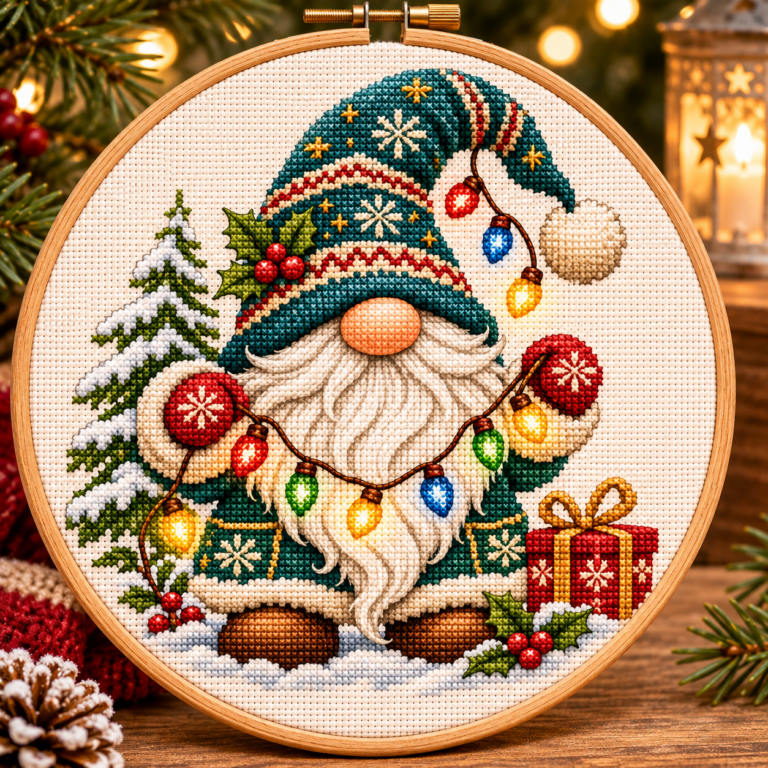
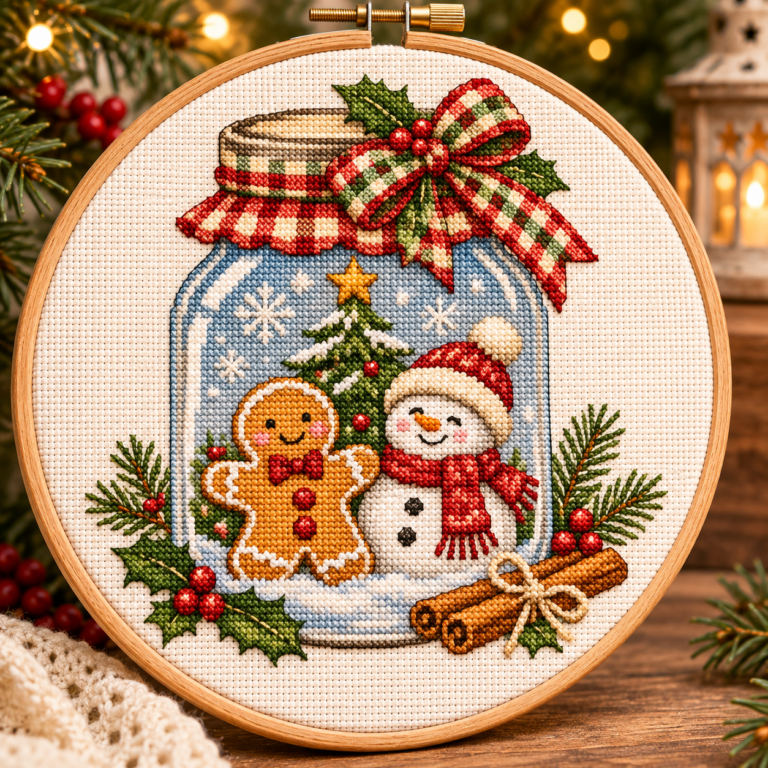
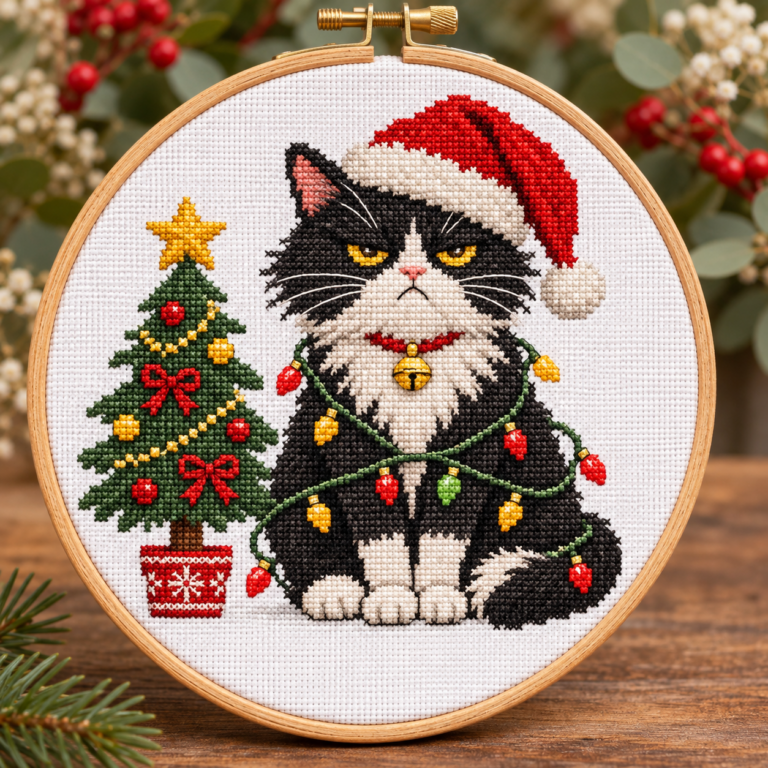
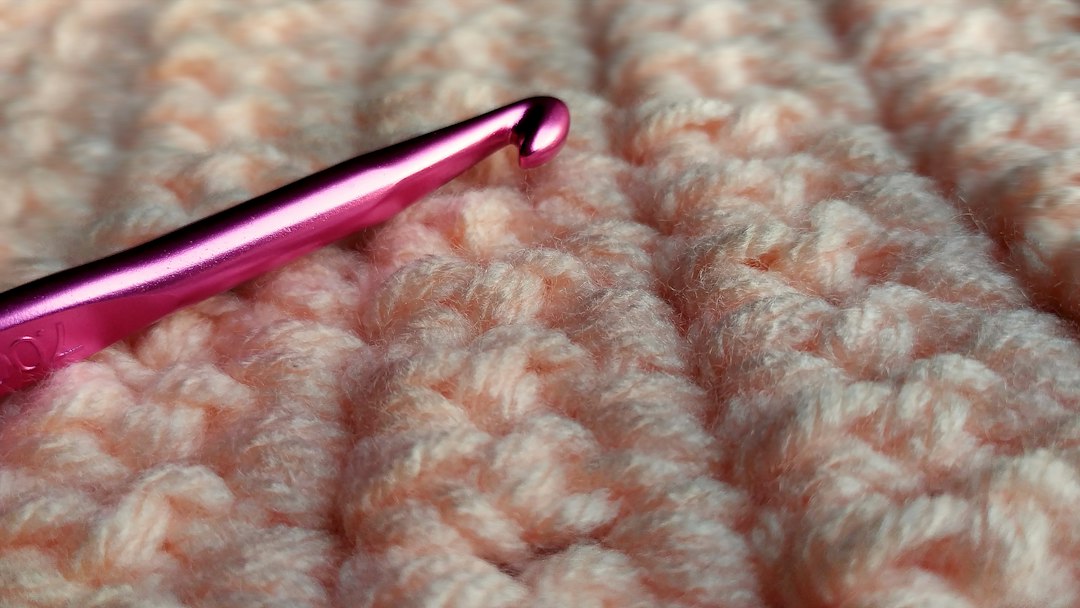
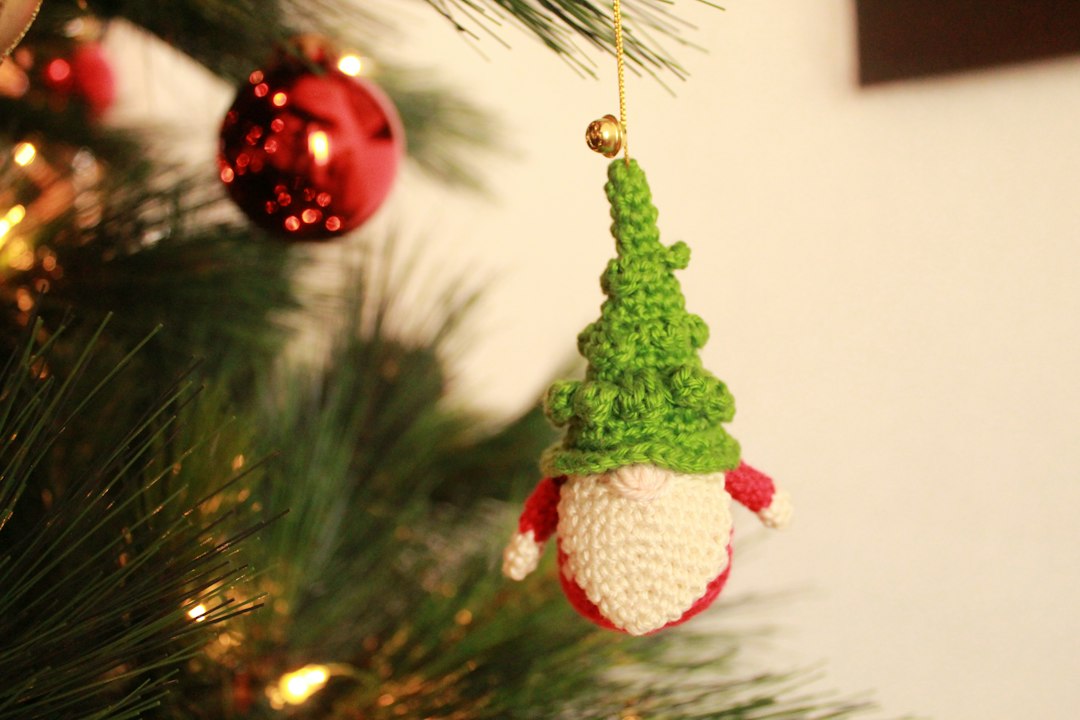
No. The editorial photographs are independent Unsplash craft images, not the seller’s pattern photos or verified stitched samples. For the official product appearance, see the referenced Etsy listing.
A thoughtful little Christmas craft project
A trio of crocheted cat balls is charming because it combines familiar holiday decorations with the character of handmade amigurumi. The key to a polished result is to follow the original US-terminology PDF, keep accurate round counts, choose the right yarn and hook, sew every decorative feature securely and finish with a dependable hanging loop. Make one complete ornament before repeating the set, and let each cat have its own small festive personality.
If you also enjoy counted embroidery, explore our Christmas cross stitch patterns guide y cat cross stitch project ideas, or join the XStitchPattern newsletter for pattern news and tutorials. These links are for cross stitch and are separate from the commercial crochet tutorial.
If you enjoy making small crocheted animals beyond Christmas, our cute bunny crochet amigurumi guide contains an original written practice pattern for a miniature rabbit, including stitch counts, ears, tail and finishing tips. The bunny example is a separate educational project, not one of the cat-ball designs in the paid Etsy listing.
For a different yarn-based Christmas decoration without animal shaping, our scrap-buster holiday light garland crochet guide links to Carla D. T. Fisher’s original free C9-style pattern and includes a separate flat appliqué variation for leftover yarn. These are decorative, non-electrical lights.
Editorial photography: Liana S, Karina L y Alda González-Cuevas / Unsplash. Photos are illustrative and not claimed pattern samples.