
Cozy Fall Vibes cross stitch captures that moment when the weather turns cool, the books pile up, and a latte becomes part of the evening ritual. Books, pumpkins and coffee make a warm autumn embroidery theme—but a large counted design can be intimidating if you have not planned fabric size, thread organization and stitching time. This guide turns the 260 × 254-stitch dimensions supplied with the referenced Etsy pattern into useful numbers and a practical project plan.
If you are comparing fall designs, browse our Cozy Fall Vibes shopping and inspiration page or visit the XStitchPattern Etsy shop directly. We also link to the original Etsy listing for attribution. Important: the reference is a separately owned design; our external WooCommerce shopping button opens our Etsy shop, not a copy or resale of that seller’s PDF. Check each Etsy listing for its actual contents before purchasing.
The 260 × 254-stitch pattern: what the numbers tell us
A counted cross stitch chart that is 260 squares wide and 254 squares tall has 66,040 possible stitch positions. This does not prove that the pattern contains 66,040 crosses: open backgrounds leave empty fabric and specialty stitches may occupy portions of the design differently. The seller’s file would be needed to establish filled-stitch totals, true color count, thread codes, backstitch instructions or page count. We have not inspected the downloadable PDF.
| Item | Verified or stated detail | What not to assume |
|---|---|---|
| Theme | Autumn books, latte and pumpkins in the supplied listing title | Exact object count and placement |
| Design grid | 260 wide × 254 high, supplied by the user | All grid squares contain stitches |
| Possible positions | 66,040 cells (260 × 254) | 66,040 stitches or any particular number of skeins |
| File format | Described as a digital cross stitch PDF | Number of PDF files, chart formats or pattern-reader compatibility |
| Artwork rights | The referenced Etsy design belongs to its own seller | That the XStitchPattern shop sells this identical PDF |
The dimensions make this a substantial project even when the chart is not full coverage. Compare it with a small autumn ornament: a typical mini that fits inside a 2-inch hoop has a much smaller stitch field. The larger format creates room for gradual pumpkin shading, book-spine texture and coffee highlights, but it also rewards a more disciplined workflow.
Aida fabric size calculator for 260 × 254 stitches
You can calculate stitched dimensions before ordering fabric using a simple formula: stitches ÷ fabric count = inches. For example, 260 ÷ 16 = 16.25 inches across on 16-count Aida. Multiply by 2.54 to convert inches to centimeters. To calculate fabric cut size, add allowance to both sides of each dimension; the table uses a generous 3 inches per side, not a stitcher’s required minimum.
| Aida count | Stitched design in inches | Stitched design in cm | Suggested fabric cut (3-in border each side) |
|---|---|---|---|
| 14-count | 18.57 × 18.14 in | 47.2 × 46.1 cm | 24.57 × 24.14 in |
| 16-count | 16.25 × 15.88 in | 41.3 × 40.3 cm | 22.25 × 21.88 in |
| 18-count | 14.44 × 14.11 in | 36.7 × 35.8 cm | 20.44 × 20.11 in |
| 20-count | 13.00 × 12.70 in | 33.0 × 32.3 cm | 19.00 × 18.70 in |
On 14-count fabric, the artwork measures around 18.57 × 18.14 inches (47.2 × 46.1 cm); this suits a statement wall piece, but the overall fabric needs to be wider once framing margins are added. On 16-count, it measures 16.25 × 15.88 inches. On 18-count, it is approximately 14.44 × 14.11 inches. Higher counts make the piece physically smaller but may require brighter light and more attention to the grid.
Get a free cross stitch pattern for your next cozy project
Enjoyed the fabric-size tips? Join the XStitchPattern Cross Stitch Studio for a complimentary PDF pattern and practical stitching inspiration. Enter your email below, confirm your subscription through the message we send, and receive the free download link afterwards. No purchase needed, and you can unsubscribe anytime. Prefer to read more first? Visit the free cross stitch pattern signup page.
Picking a realistic finishing size
The table measures only the stitched chart area, not the overall picture frame. A 3-inch allowance on each side is useful if you plan to lace the fabric around archival mounting board or leave space for a mat. A scroll frame, hoop or Q-snap frame is a working aid, not necessarily the final mounting solution. Speak with a framer before cutting if you want a wide decorative mat or an unusually deep frame.
Which autumn fabric color works best?
The warmth of a fall chart comes from relationships between colors: burnt pumpkin orange against cream pages, dark book spines against tan, and a neutral latte cup against leaf accents. Fabric choice shifts the mood of all of them. Rather than assuming the chart specifies a particular background, consider a few small swatches against the colors you actually intend to use.
| Fabric | Cozy atmosphere | Potential risk | Good test |
|---|---|---|---|
| Antique white | Light and crisp with a vintage tone | Pale latte highlights may disappear | Place two light-floss strands on the fabric |
| Natural oatmeal | Cottagecore, earthy and relaxed | Brown book shadows can lose contrast | Compare deepest and lightest browns |
| Warm cream | Gentle reading-nook mood | Cream pages blend into the ground | Check needlework under evening lamps |
| Pale taupe | Muted modern fall palette | Rust midtones appear flatter | Compare oranges and walnut accents |
Keep in mind that dyed Aida and natural fabrics vary among batches and brands. A photograph on your monitor cannot guarantee exact fabric color. Before starting, work a tiny test patch to check how the chart’s palest and darkest threads look together. If your chosen cloth is substantially darker than the chart preview, you may want a stronger lamp and closer attention to subtle book highlights.
Plan your floss around color roles, not invented DMC numbers
A warm autumn subject suggests some predictable visual roles—pumpkin highlights, pumpkin shadows, paper, book bindings and a cup—but a specific designer may use an entirely different palette. The following is a planning exercise, not a transcription of the original PDF’s symbol legend and not a list of verified DMC numbers. When working the referenced pattern, use the exact symbols and floss key supplied by its designer.
| Color role | Illustrative color family | Why it matters to the design | Organization tip |
|---|---|---|---|
| Pumpkin highlights | Amber, ochre, golden yellow | Separates ridges and illuminated curves | Keep light and middle orange symbols on different bobbins |
| Pumpkin shadows | Rust, sienna, cocoa | Creates shape beneath the stems | Mark each dark-orange symbol explicitly |
| Book page edges | Warm ivory or parchment | Makes a book read as a stack of pages | Check contrast against the selected fabric |
| Book spines | Deep brown, burgundy, muted green | Anchors the composition | Separate near-black and very dark brown |
| Latte or cup | Cream, caramel, toasted beige | Provides a calm central highlight | Do not use identical floss for cup and fabric by assumption |
| Small accents | Leaf olive, copper or muted gold | Prevents all motifs merging into one orange mass | Collect scattered symbols in a small marked chart section |
With dozens of shades that look similar under artificial lighting, a floss organizer can save substantial rework. Put the thread code and printed chart symbol on each slot. Store cut lengths of the same floss together so you do not accidentally mix strands from two similar colors. If the actual chart contains blended threads or backstitch, do not substitute without understanding how they affect contours.
Supplies that matter for a large fall cross stitch
- Aida or evenweave cut to the chart dimensions plus a generous finishing allowance; calculate carefully for over-two stitching on evenweave
- A legitimate purchased chart with its complete symbol key and, where applicable, its backstitch or specialty-stitch instructions
- Le actual specified embroidery floss colors—do not guess the skein count solely from the overall grid dimensions
- A good tapestry needle, a needle minder, fine embroidery scissors and a floss organizer with clearly numbered slots
- A working hoop or scroll frame that avoids excessive stretching and that is comfortable for your hands
- Daylight-balanced task lighting, a printed chart or compatible on-screen reader, and a safe place to record the last finished square
- Clean storage for in-progress embroidery and finishing supplies that suit your framing plan
A size 24 tapestry needle is a common starting point for 14-count Aida; many stitchers move to 26 or 28 on finer fabric. The correct choice also depends on strand count, fabric rigidity and your stitching style. Test a few crosses on scrap cloth. If you fight the fabric with every pass, the needle may be too thick or the hole spacing too tight for the chosen number of strands.
How long does a 260 × 254 chart take?
Anyone who promises a precise completion time for a chart they have not stitched is guessing. It is more useful to model a few fill levels. The table below assumes an illustrative average of 120 completed full crosses per hour. Your true pace can be faster in one-color blocks or much slower when frequent changes and counting are involved. These scenarios are not claims about the referenced pattern’s fill percentage.
| Hypothetical fill | Illustrative crosses | Hours at 120/hour | At 5 hours per week |
|---|---|---|---|
| 25% of chart cells | 16,510 | About 138 | About 28 weeks |
| 50% of chart cells | 33,020 | About 275 | About 55 weeks |
| 75% of chart cells | 49,530 | About 413 | About 83 weeks |
Your real estimate is easiest to establish with a sample block from the legitimate chart. Choose a representative 20 × 20 section, record how many crosses you finish and time the work without rushing. Extrapolate only across areas with similar complexity; keep separate estimates for long background runs and confetti-dense details. Remember to budget time for organizing floss, checking the chart and finishing.
Start small: one calm weekly ritual
A sustainable schedule may be three 30-minute sessions or a dedicated Sunday stitching hour. Put the project away at a natural grid boundary, not mid-count. Mark your chart and take a quick photo before folding the cloth so you can return without hunting for the last symbol. A book-and-latte subject is ideal for relaxing evenings; your plan should protect that relaxation rather than turn the project into a deadline.
A careful step-by-step stitching sequence
The first ten minutes of setup can prevent hours of correction. Work methodically, especially where book spines and pumpkin ribs are separated by only a few squares. This sequence works for large counted charts generally rather than claiming to reproduce the seller’s exact chart layout.
- Locate the fabric center and mark it lightly using a removable method tested on a scrap first.
- Find the chart center, approximately between columns 130 and 131 and between rows 127 and 128.
- Choose a clearly identifiable shape near the center or a precisely measured starting location.
- Stitch one short anchor section; verify its position by counting to two independent landmarks.
- Advance through adjacent 10 × 10 or 20 × 20 blocks rather than jumping between distant colors.
- Check page overlaps and repeat symbols each time you cross a printed chart boundary.
- Secure strands without lengthy dark carries behind pale fabric; keep the back tidy enough for framing.
- At the end, compare completed areas against the legend before cleaning and mounting.
Should you park threads or work one color at a time?
On broad, continuous shapes—such as a hypothetical dark book spine—working one color within a local area is usually simple to track. In tightly shaded sections, parking threads at the next working row can prevent repeated needle rethreading, but it requires clear labeling. There is no single correct technique: focus on consistent tension and a counting method you can confidently resume after a break. Avoid pulling one very long dark carry under a pale page if it will show through.
Common autumn chart mistakes and practical fixes
| Trouble | Likely cause | What to do |
|---|---|---|
| A row of books starts leaning | A stitch missed around a grid transition | Recheck the last two horizontal/vertical anchors |
| Pumpkin segments seem flat | Two orange shades were switched | Match every symbol to the printed legend, not only its color |
| Cream latte area looks uneven | Floss tension changed between sessions | Use consistent strand counts and manageable thread lengths |
| The back looks bulky | Long carries across disconnected motifs | Finish or park strands locally |
| It feels impossibly slow | Work is confetti-heavy or targets are unrealistic | Time a representative area and set a smaller weekly goal |
| Fabric has hoop rings | Clamping across finished stitching | Reposition, loosen between sessions, and follow gentle finishing methods |
When you notice a mistake, stop at the last verified row rather than stitching around it. Determine whether the miscount affects the visible contour; a tiny isolated shade error may be different from shifting a whole book spine by one square. If removal is needed, reverse stitches gently instead of dragging scissors through completed cloth. A clean correction is usually faster than forcing the next ten rows to compensate.
Finishing ideas for a reading-nook autumn design
Prefer a front-door scene to books and coffee? Our separate Autumn Porch cross stitch guide explains how to frame pumpkins, sunflowers and a rocking-chair design after planning its 200 × 200 stitch dimensions.
A large stitched rectangle can be displayed well without becoming a crowded focal point. Think about sight lines, surrounding textures, and how much of the image needs breathing space. The purpose of finishing is to protect the work and suit its scale, not to mimic an Etsy product photo or pretend an editorial image shows the actual finished chart.
| Display option | Why it can work | Practical note |
|---|---|---|
| Simple wood frame | Balances brown book spines and pumpkin tones | Keep glass and stitches from touching using an appropriate spacer |
| Deep shadow box | Shows texture and gives room to breathe | Check interior depth and board materials |
| Seasonal gallery shelf | Pairs the piece with real books and autumn décor | Avoid damp or sunny window ledges |
| Rotating autumn wall | Keeps the design seasonal without changing the embroidery | Plan storage so the framed work stays dry |
For cleaning, follow the care advice associated with your actual threads and fabric; test for dye migration if any thread is unfamiliar. Dry flat on a clean towel and use a pressing cloth with gentle pressure from the reverse side if suitable. Avoid framing damp cloth or using adhesive directly on embroidery when a reversible lacing method is available. If you paid for a commercial chart, its designer’s finishing instructions take precedence where relevant.
Explore more autumn embroidery projects at XStitchPattern
If 260 × 254 stitches is more than you want to begin with, a small independent project can help you practice tension and fabric calculations before committing to a large autumn piece. Our 12 mini autumn cross stitch planning guide offers an original miniature chart and harvest organization ideas, while Autumn Squares focuses on turning separate fall motifs into a framed arrangement.
Readers who enjoy bookish cozy details might also like the fall cat book stack guide or seasonal companions such as Autumn Cats. For original downloadable products in our catalog, see Autumn Oak Leaves & Acorns and Autumn Kittens in a Basket; always verify the individual product page’s included files before buying.
Want occasional new cross stitch ideas? Visit our Free Pattern Signup for the newsletter and the current free-pattern offer. For shopping, use the Cozy Fall Vibes external product page and its Browse & Buy on Etsy button to explore the XStitchPattern Etsy storefront. The separately owned 260 × 254 Cozy Fall Vibes reference listing remains linked for anyone who wants to inspect that specific designer’s PDF.
FAQ: Cozy fall counted cross stitch
Is a 260 × 254-stitch design beginner-friendly?
It is a sizable commitment. A beginner who enjoys a long project can manage it with clear gridding, short sessions and a readable symbol key. For an initial weekend project, a much smaller motif is usually more comfortable.
How big will 260 × 254 stitches be on 14-count Aida?
About 18.57 inches wide by 18.14 inches high (47.2 × 46.1 cm) before any framing margin. Add the margin to both sides before ordering fabric.
Does 260 × 254 mean there are 66,040 full crosses?
No. That number is the count of available chart cells. Blank background, partial stitches or other design features change the real stitching total; only the actual chart establishes it.
How many DMC colors are needed for this exact PDF?
The verified color count is not available to us. Use the legend of the legitimately purchased PDF; do not infer an exact count or color-number list from a product title.
Can I buy the Etsy reference pattern from this WooCommerce product page?
No. The WooCommerce external button intentionally opens the XStitchPattern Etsy shop, where you can see the patterns we currently offer. The original reference is a separate Etsy listing owned by another seller.
What is the best fabric color for books, latte and pumpkins?
Warm cream or natural oatmeal can create a cozy tone, but contrast with actual chart shades matters more than a universal color rule. Compare sample threads on your chosen fabric.
Should I wash the finished piece?
Follow the fabric and thread maker’s care guidance and the designer’s instructions. Test potentially non-colorfast threads before washing, and dry the work fully before mounting.
Is the photograph on this page the actual pattern?
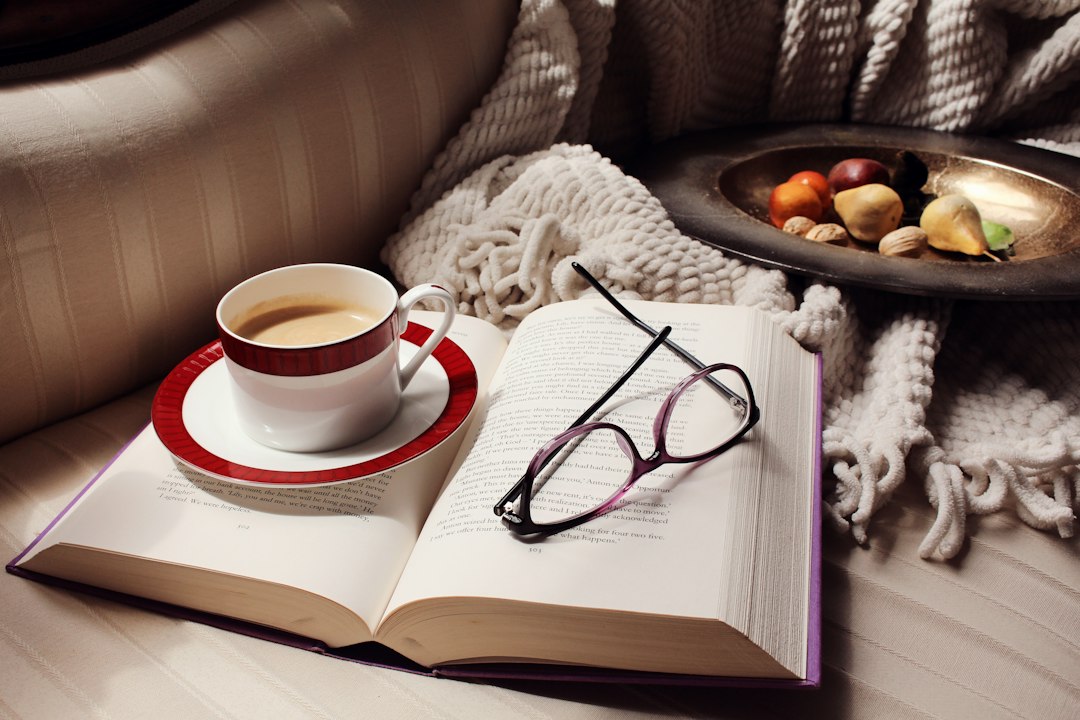
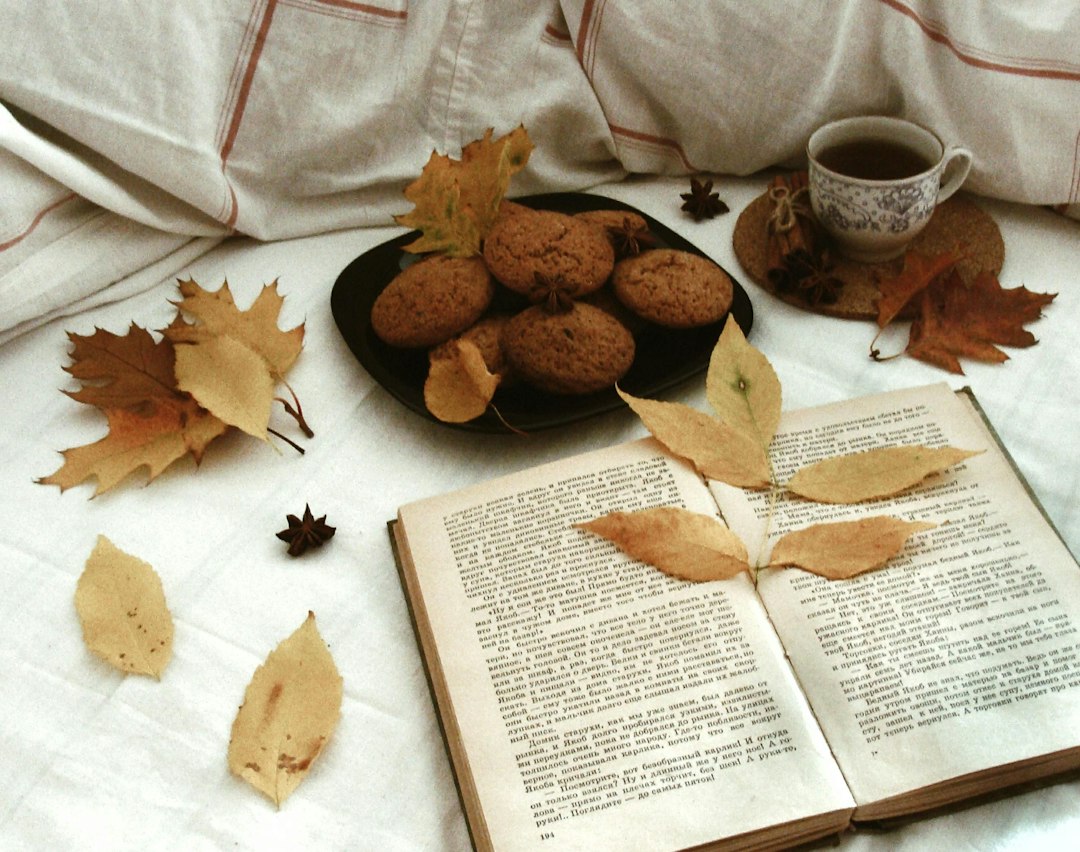
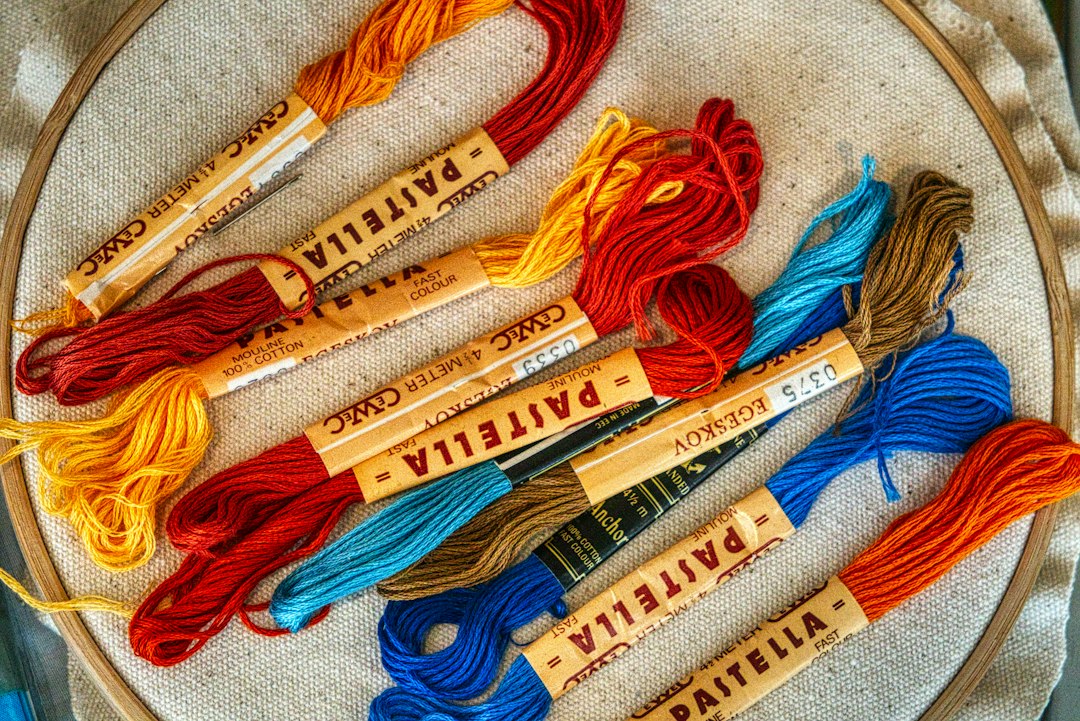
No. The article’s lifestyle and floss photographs are editorial illustrations of a cozy autumn mood, not photographs or mockups of the third-party cross stitch artwork.
A realistic final plan
Choose the fabric first using the size table, then organize only the verified floss colors from the actual chart. Divide the design into manageable local blocks, check your starting point twice and choose a finish that suits the finished dimensions. The story of books, latte and pumpkins makes this seasonal subject inviting; the satisfaction comes from stitching it without rushing the counting. For inspiration, the XStitchPattern Etsy shop and our Cozy Fall Vibes product gateway are available, and the original reference seller remains separately credited.